
Swimming:
Swimming has been a very popular professional sport and has featured on the Olympic program since 1896. There are 4 main strokes butterfly, backstroke, breaststroke, and freestyle and it is enjoyed as a leisurely component and also in a professional context.
The evolution of swimming in the modern era has significantly risen. With the introduction of artificial intelligence, the sport has discovered multiple new ways to analyse and interpret data to help athletes performance. The world of swimming and the development of the sport in a professional context has improved drastically, which has seen multiple new ways in which coaches and swimmers provide and use feedback.
Feedback:
Feedback in swimming can come in many different ways shapes and forms. The evolution of swimming and technique improvement relies greatly on the advancement of underwater technologies. As swimming is a sport that is immersed in water, Artificial intelligence is more difficult to create equipment to match these needs, as a pose to dry land sports.
Artificial Intelligence used in Swimming:
Artificial intelligence has been around for a while now in this area of professional sport, and the role of artificial intelligence was underlined dating back nineteen years, to the 2000 Olympics. Artificial Intelligence was used at the Sydney Olympic games as a tool for non-linear mathematical methods of artificial neural networks. This technology analyses an athletes body positioning and movement in the water, this was particularly used by Head coaches and media outlets at the 2000 Olympics. This A.I technology was used to locate data of past championships and compare with swimmers in heats of races. These statistics were then used to predict likelihood of performance going into the swimming finals. The use of this type of technology was able to give the viewers insight to who was ranked to win and could even be used for tipping agencies to promote sports betting. In an non competition setting, the technologies statics are used by coaches and swimmers to analyse their stroke and races. This made it a great source of feedback to enhance professional athletes performance.
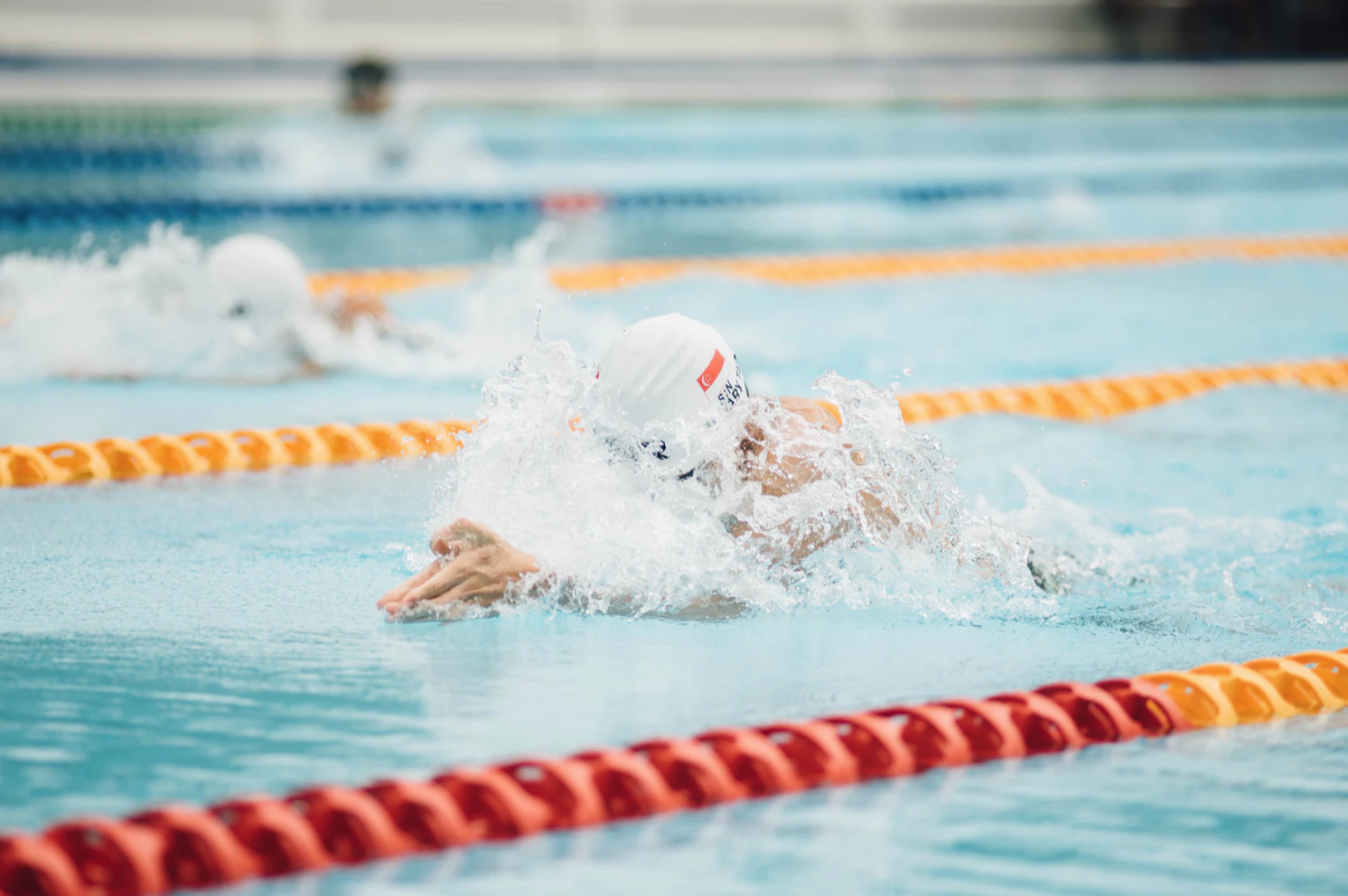
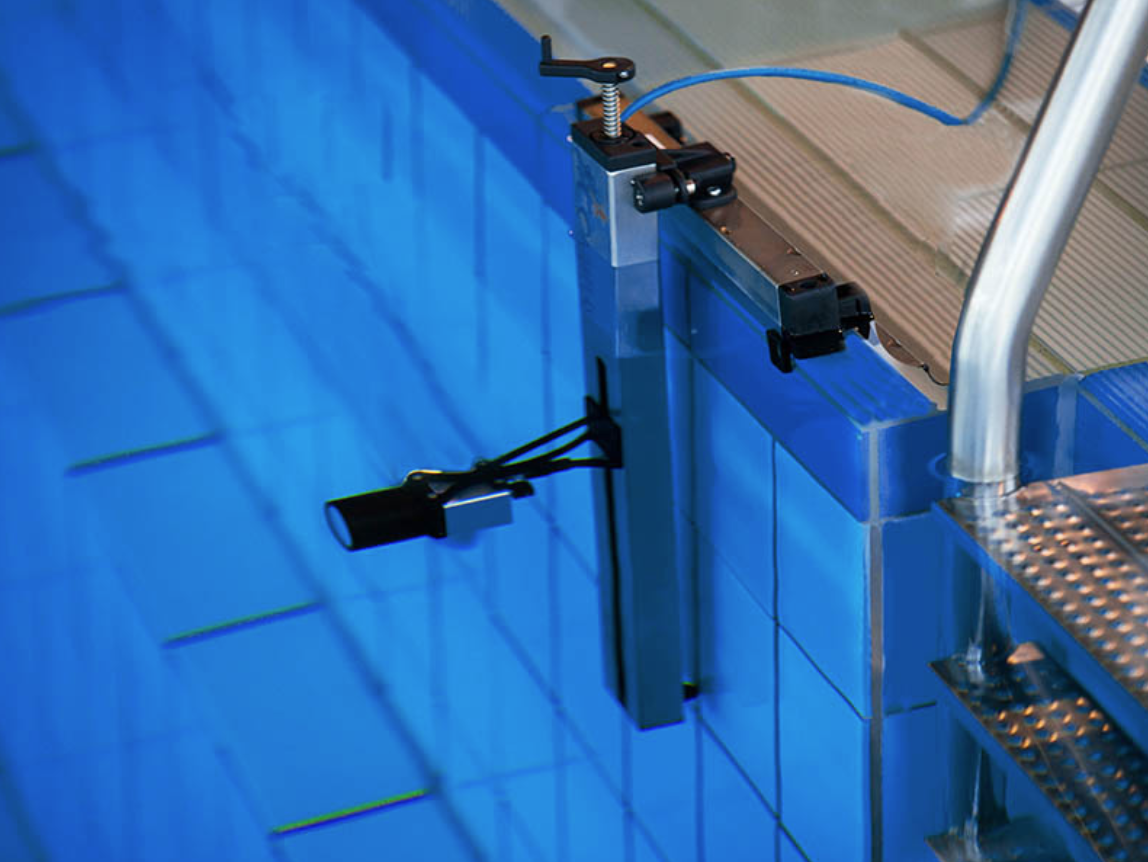
Devices such as sensors and underwater cameras are used in the sport of swimming as a form of feedback to provide the athlete with recommendations for improvement in certain areas.
Underwater Cameras
Underwater Cameras have the ability to track and analyse a swimmers stroke position, measuring a swimmers acceleration, power, velocity and force within their stroke. Underwater cameras also have the ability to asses stroke count and determine the swimmer’s strengths and weakness in the pool, above and below the water. They also have the ability to provide drills and ideas to improve a professional swimmers technique of a particular stroke. Underwater cameras allow coaches to assess their swimmers and is a useful tool for feedback and the enhancement of a swimmers ability going into competitions.
Lane Vision
This is a software that tracks laps, distance per stroke, underwater speed, stroke rate and splits. The software creates an ideal stroke module which then shows the swimmer where their body should be positioned, therefore creating a more efficient stroke position. This then creates an overall more sufficient stroke rate and faster positioning in the water.
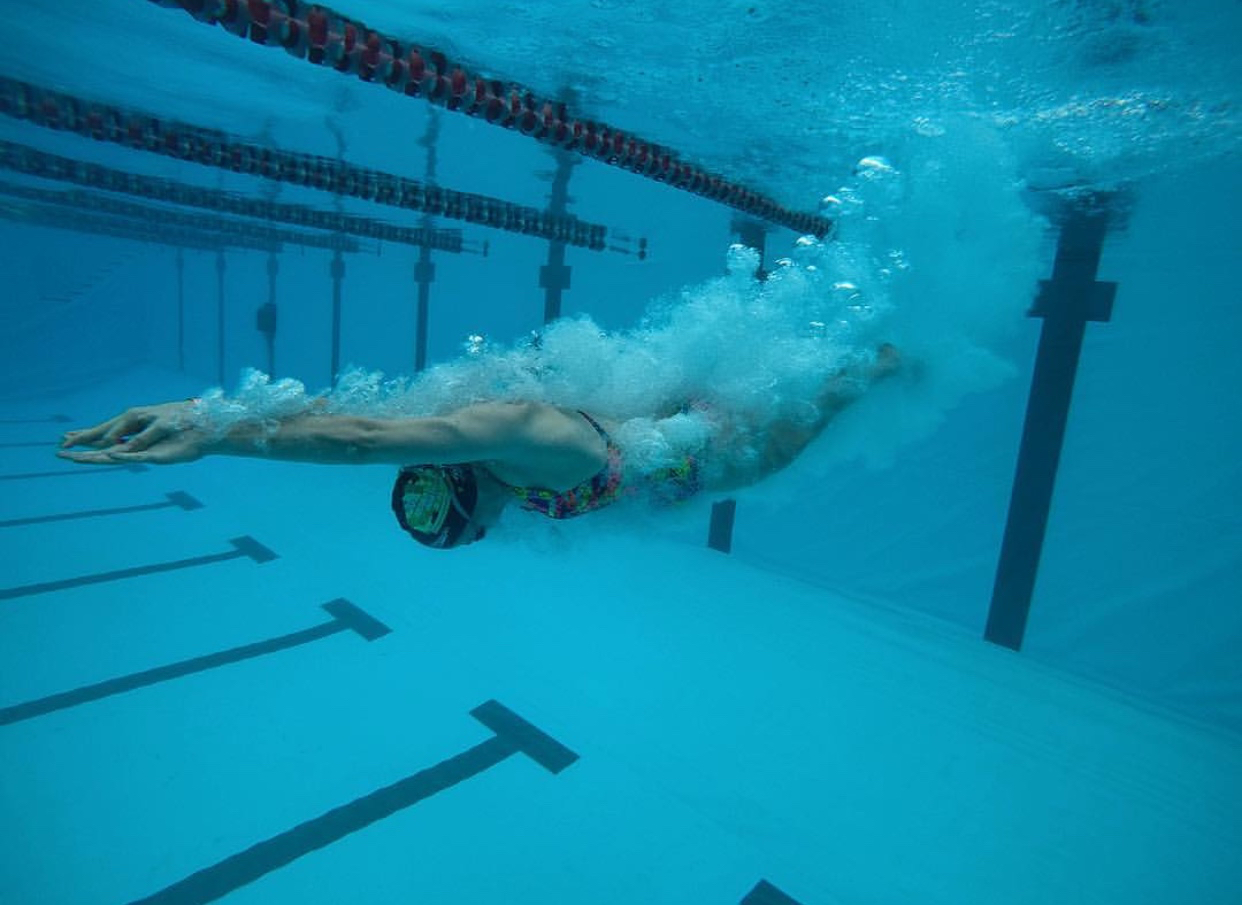
Pictured: Me underwater
Stroke vision
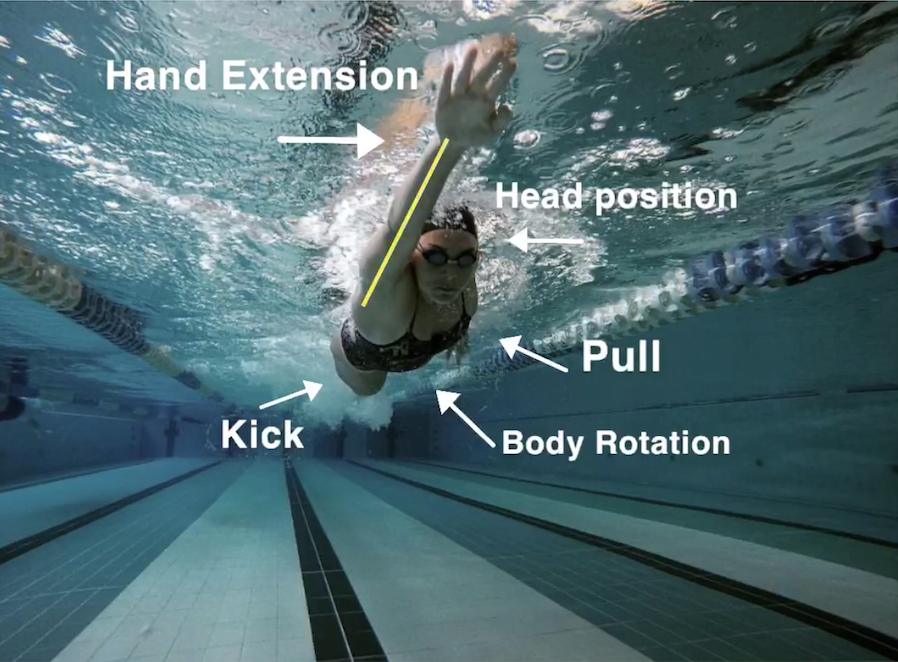
Camera equipment is used to gather a 3D image of the swimmers body position in the water. this is then sent straight to the coaches computer to analyse and provide feedback of improvement areas and provide advice for technique improvements.
Pictured below is an example of me using this technology in training.
Electronic Timing and Touch Pads
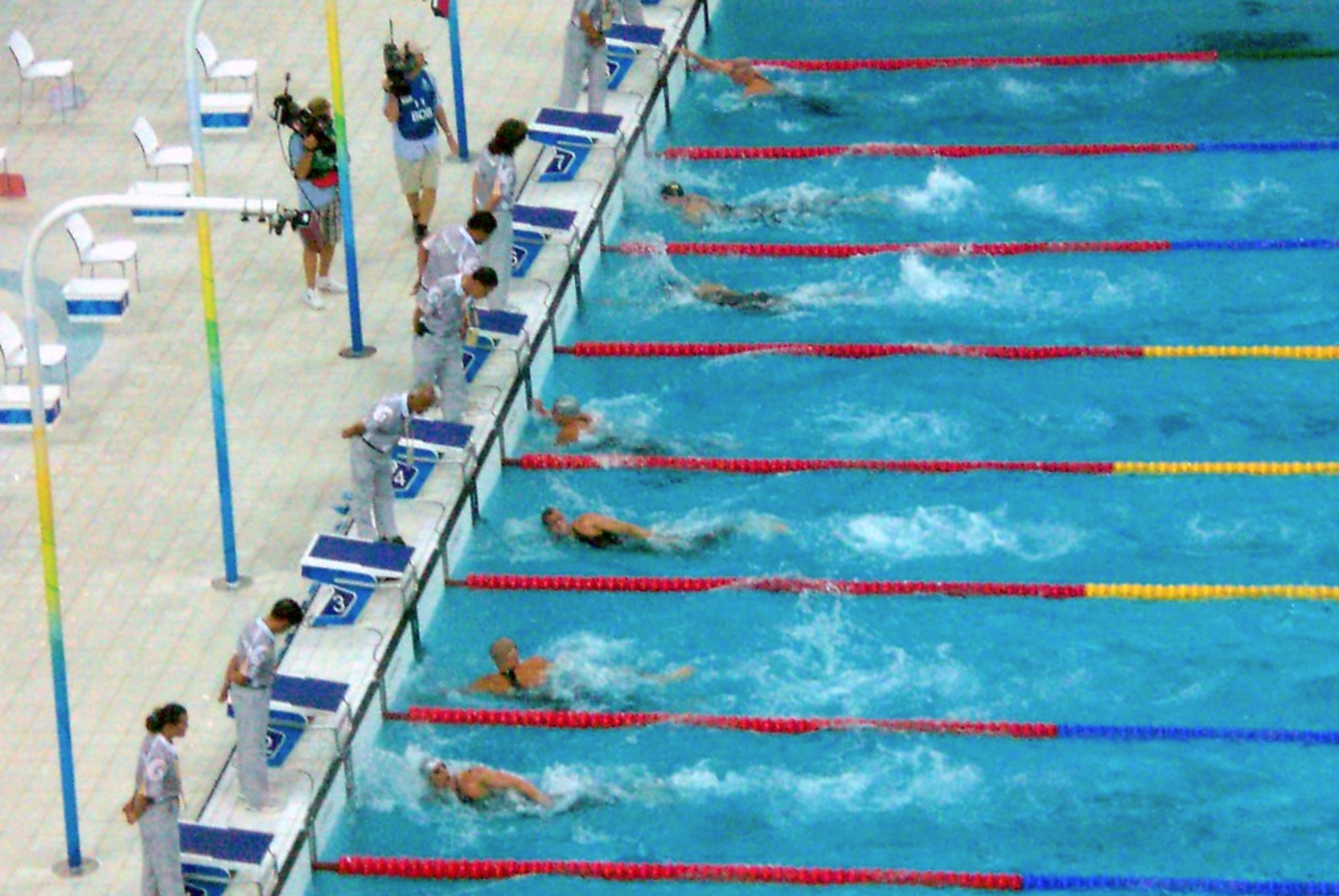
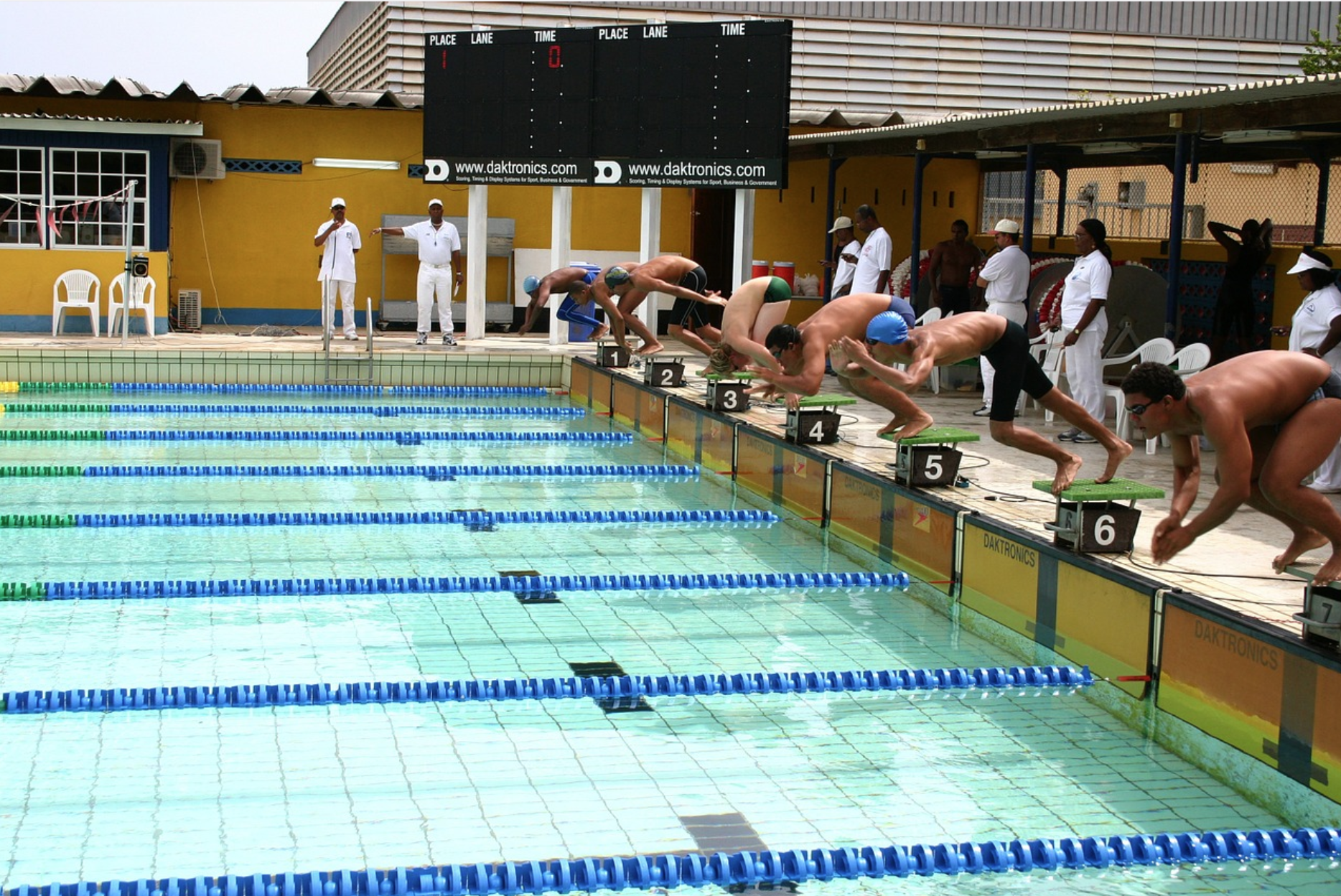
With the advancement of Artificial Intelligence, the procedure of races being recorded and timed has changed. The introduction of electronic touch pads in competition has allowed for more efficient and reliant results. Electronic touch pads allow the swimmer to stop the clock rather than the reliance of 2 timekeepers with stopwatches. The introduction of this technology has reduced the amount of manual poolside work that a human would have to do, and has been replaced with computerised motion detectors to produce information on races.
Electronic Timing and touchpads are used by swim coaches in training to collect data regarding reaction time off the block and spilt times each lap. They are a valuable tool in the pool for professional athletes and coaches as the times recorded are accurate and a great device for feedback.
A further example: If a swimming club has touch pads at their swim meet then the times are official and FINA (International Swimming Federation) approved. If there are no touchpads the times cannot be used at international championships, as the timing by a human is not accurate enough.
Though advancements in technology are sometimes accused of changing a sport for the worse, Artificial intelligence in professional swimming has provided a deeper understanding and new level of learning for competitive swimmers. This is of great importance as the development of new technologies in the sport can be a great influence to keep athletes interested and focused. Due to the new and constant evolving nature of artificial intelligence in professional swimming, coaches are able to also grow and find new ways to give their athletes feedback for improvement.
Swimming is unlike any other sport, and within that uniqueness, competitive swimming is a very difficult field to excel in. Coaches and athletes are constantly trying to discover new ways to train and race to beat the large competitive field. Each individual is a different body shape and measurement, because of this, there is no single perfect technique which works best for every swimmer. The advancements of A.I has created opportunities for athletes to focus on their specific strengths and weaknesses, and through the use of these technological advancements, coaches are able to provide the most efficient form of feedback.
 Artificial Intelligence and Feedback in Professional Sports