

Tennis
Tennis is a sport which is derived from the French jeu de paume, in the 11th century. Originally practiced with bare hands the sport progressed to what it is today gaining a large audience of followers interested in the sport.
A usual game of tennis consists of 2, or 4 players both using rackets to hit a ball over the net to each other. Over time the sport has seen variations of the game, changes, and advances in the field of play to make it what it is today.

Feedback:
In a professional setting, the game of tennis relies greatly on referees decisions and instant replays, which is all thanks to the evolution of technology. With this rise in technology sees different ways tennis players train and prepare for competition. One major difference in players now to that compared to 50 years ago on the court is the equipment they use.

Rackets
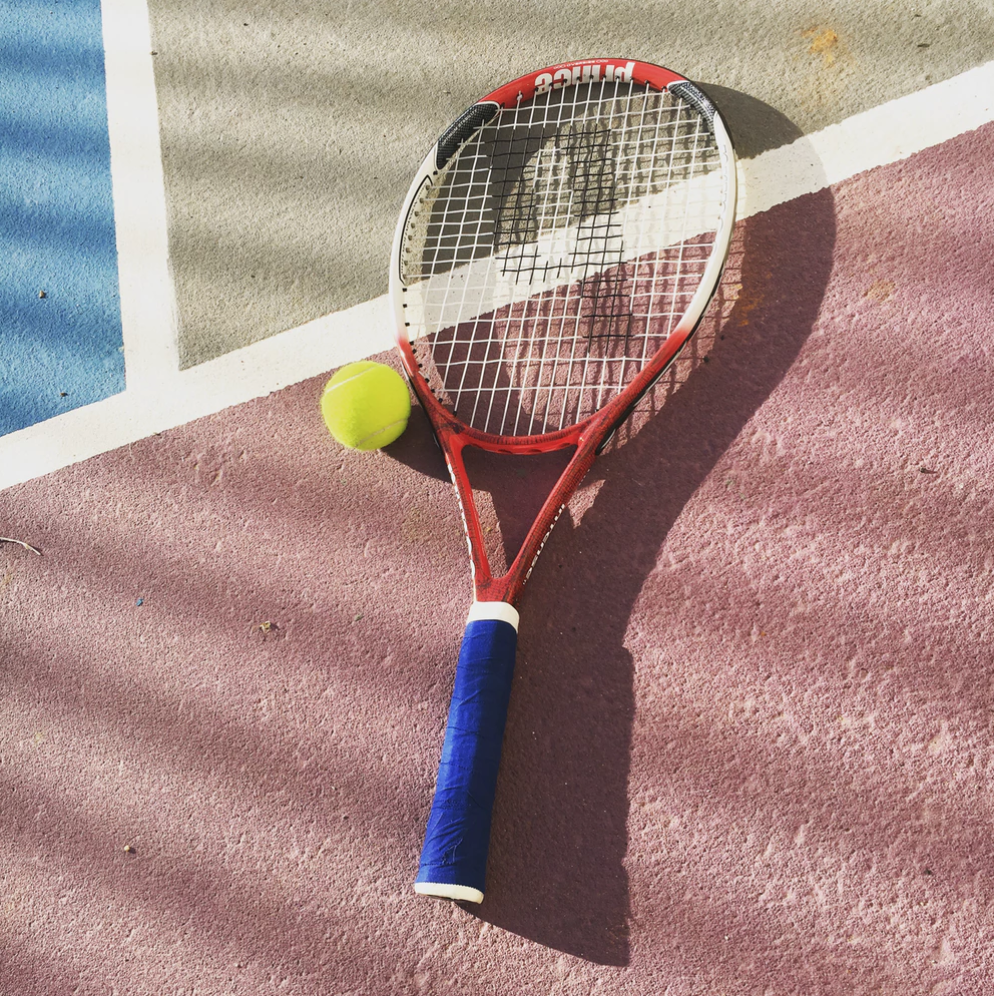
Rackets used in tennis today are much different from that of the 1940s. As we know from above tennis was once played with bare hands. From this came the wooden racket, to a steel racket. and then in the mid-70s, the first oversized aluminium racket was introduced. By the 80s there was switched over to graphite frames rackets. Fast forward to nowadays and Nadal is using an AeroPro Drive racket with an aerodynamic design. This racket creates smoother and more efficient stroke.
Playing Area
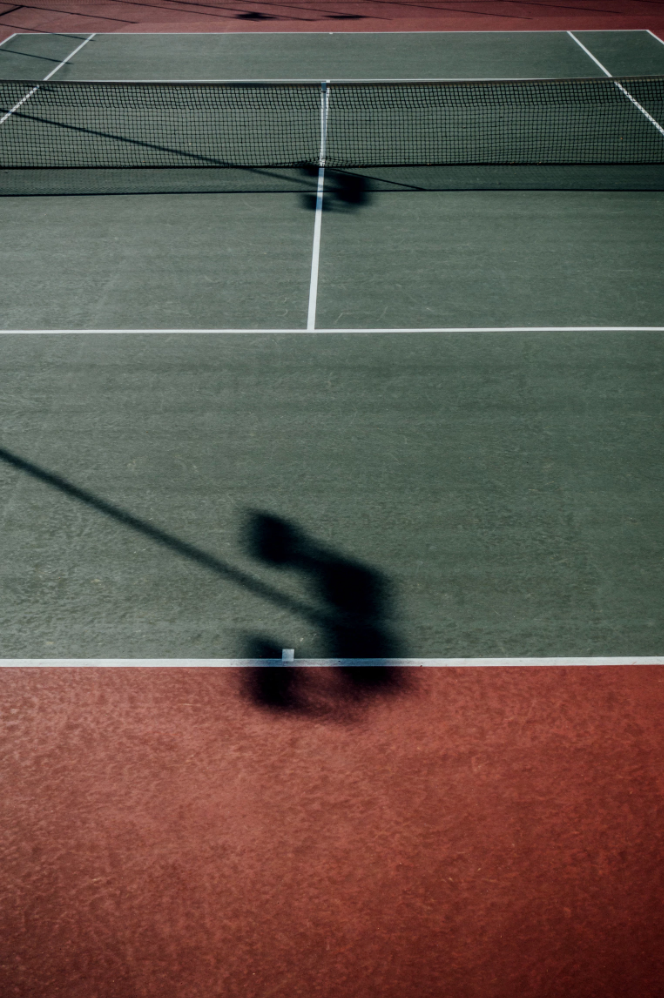
The Playing arena and surfaces in which the tennis athletes play has benefitted greatly from the advancements of technology. Nowadays the playing surfaces are constructed from advanced materials such as clay and concrete, which is much different to materials such as grass used in the 70s.
Video Analysis Biomechanics
Video analysis of players provides coaches with information regarding the biomechanics and general framework of their players when training. This technology allows coaches to source weaker areas of a players swing, which will further help the development of their stroke production.

Injury prevention Techniques
Algorithms are in place in the sport of tennis. Computer technology is available in the sport to track and to create methodologies to decline the chance of future injury. The data is accumulated as injury data, which reports statistics and severity/nature of a players injury and how they got it.
This technology then rolls onto another technology used in professional which pinpoints when to stop playing. The idea of this technology is to create data of players overall health stats to be documented so the coach and athlete know when something is good or bad.
For example, a coach would keep information regarding a players blood pressure levels and cholesterol levels, when this is out of the ordinary it alerts the users. This is also used in competition by medical teams.

Computer Vision
This is a computer vision based technology that tracks players attack and defense such as racket hits, baseline saves and ball tracking technology. This technology allows referees to create a more accurate decision in a professional game, using it to make decisions such as line calls. It is also used as a back up for anything they may have missed. This technology is used by coaches in training purely for video analysis to document their athlete’s statistics, regarding the trajectory of a ball and player. Coaches particularly use ball-tracking technology as a form of feedback to show their athletes where and how to create a certain play.
Information Recording
The way information is recorded in tennis has improved drastically. Coaches are now able to receive data on their athletes simultaneously. An example of this is through a technology called the Tennis iCoach. The data collected includes stats such as Physical, medical, mental technical, tactical and scientific data of player and game.
Broadcasting Tennis
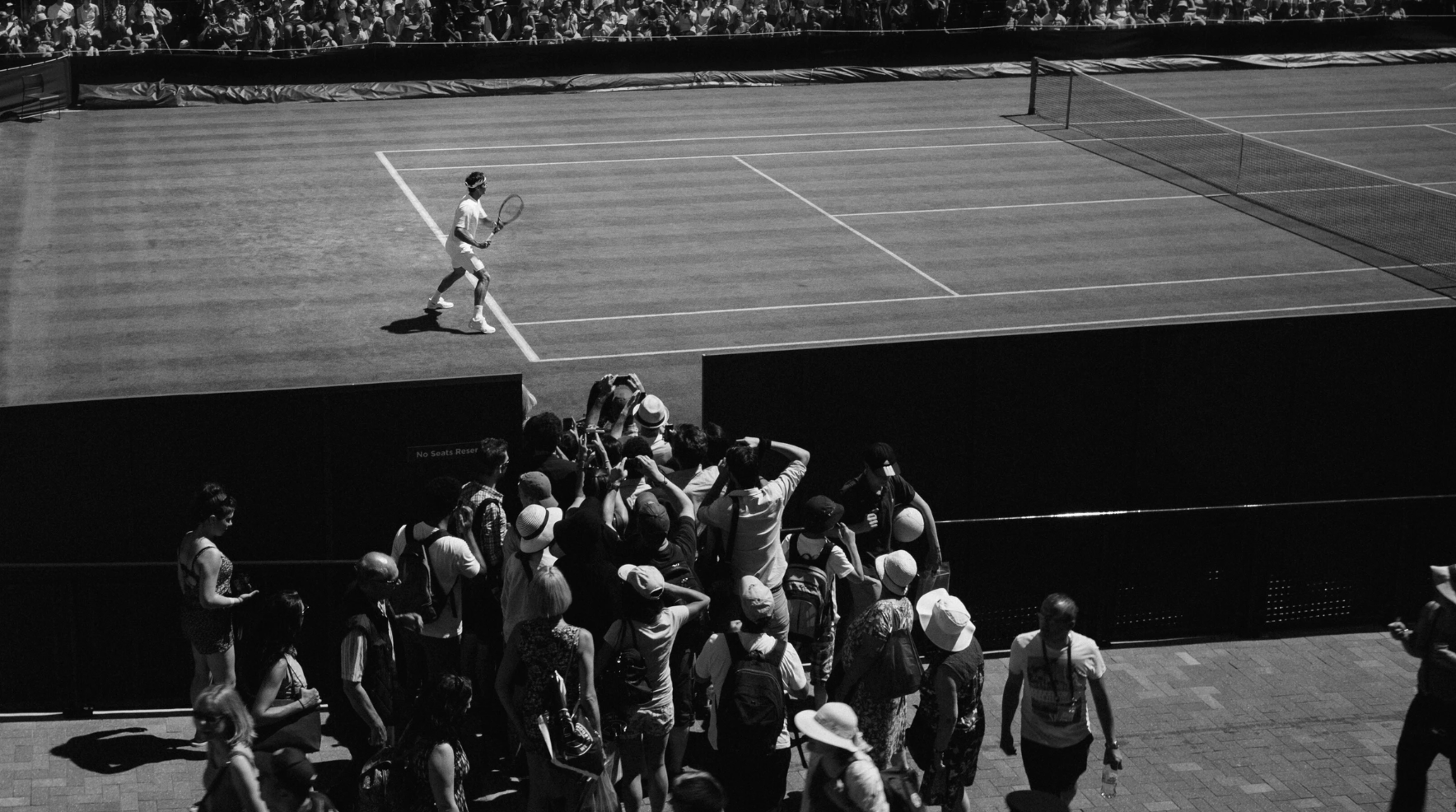
The way in which tennis is broadcasted, and how we watch it at home has changed drastically over the years. Artificial intelligence has given the viewers watching it at home the ability to receive statistics from games as it happens.
It records statistics such as:
- The motion of the player
- Motion and direction of the ball
- Distance traveled by player
- Speed and acceleration at anytime
- Court coverage patterns (Trajectories)
- Automated video highlights
This technology has also granted the ability to research and find data from games years ago and display said information in a matter of seconds. This technological advancement in broadcasting is a key tool used in professional sports and feedback. Coaches are able to replay positions to show the athlete where they can improve, and what went right/wrong. Its these types of transformations that are making the sports more interesting, potentially bringing more viewers and changing the game for the better as we know it.
Another promotional tool used in the tennis world is the use of Artificial Intelligence Clips. This was highlighted at the recent Australian open in January. The A.I technology let fans watch live games using the virtual reality headset, and also gave fans the chance to experience a virtual rod laver arena world and verse their favourite athletes in virtual tennis.

Success in tennis requires a mix of player talent, good coaching, appropriate equipment, and an understanding of those aspects of sports science pertinent to the game. Artificial intelligence used in tennis provides coaches and players the ability to train and play at optimum levels for peak performance. The implementation of video analysis creates a new dimension of feedback for coaches. collection of data through these networks, give coaches more specific and efficient information regarding players body composition and ball handling. Artificial intelligence has allowed for better feedback loops between coach and athlete, which has created the ability to improve players performances.





















 Artificial Intelligence and Feedback in Professional Sports